
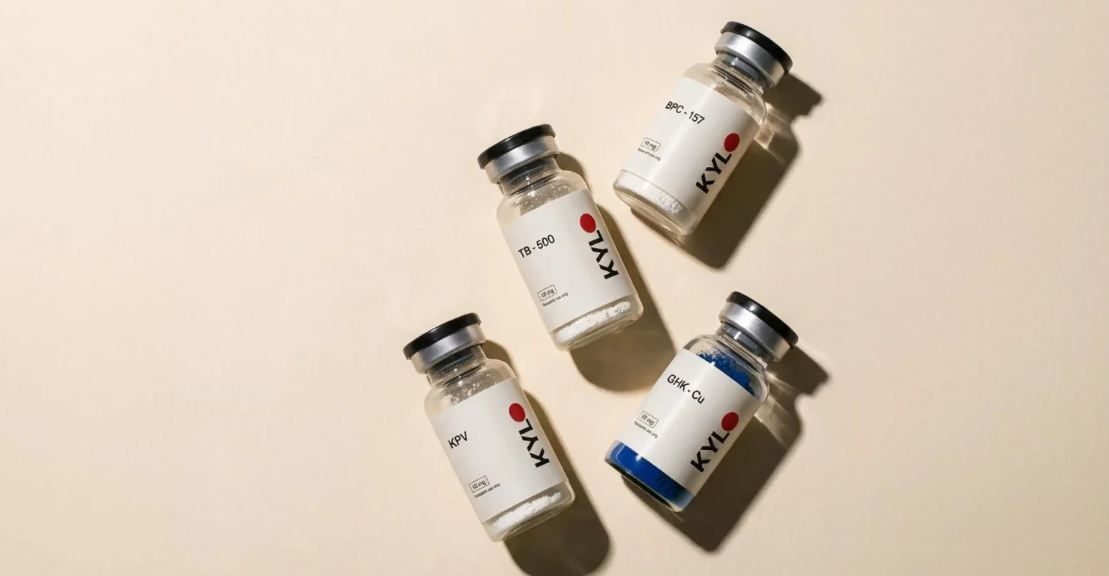
What the Musculoskeletal Key Guide Says About BPC-157

BPC-157, a peptide consisting of 15 amino acids, has been gaining attention in the field of musculoskeletal health for its potential therapeutic benefits. Derived from a protein found in human gastric juice, BPC-157 is considered to be part of the body protection compounds (BPC) family. The musculoskeletal key guide highlights several promising aspects of this peptide, particularly its role in healing and recovery processes.
One of the primary areas where BPC-157 shows promise is in its ability to facilitate the healing of tendons and ligaments. Injuries to these tissues are notoriously slow to heal due to their limited blood supply. However, studies have demonstrated that BPC-157 can enhance angiogenesis—the formation of new blood vessels—which improves blood flow and accelerates the healing process. This property makes it particularly valuable for athletes or individuals recovering from sports-related injuries.
Moreover, BPC-157’s influence extends beyond just promoting vascularization. It also plays a crucial role in modulating inflammatory responses. Inflammation is a natural part of the body’s healing Musculoskeletal Key process but can become detrimental if chronic or excessive. By regulating inflammation, BPC-157 helps create an optimal environment for tissue repair without causing undue harm or delay.
In addition to tendon and ligament repair, research suggests that BPC-157 may aid in bone regeneration and joint health as well. Some studies indicate that it can promote osteoblastic activity—the cells responsible for bone formation—thereby potentially accelerating fracture healing and improving overall bone density over time.
Another noteworthy aspect highlighted by the musculoskeletal key guide is BPC-157’s neuroprotective properties. While primarily associated with physical injuries, there is emerging evidence suggesting that this peptide might offer benefits for nerve damage as well. Animal studies have shown improvements in nerve function following injury when treated with BPC-157, indicating potential applications for conditions like peripheral neuropathy or even spinal cord injuries.